Happiness in life is rarely a static state of feeling good. It is better understood as a dynamic state of flourishing, closer to what the ancient Greeks called eudaimonia. It is not only the absence of pain or the accumulation of passing pleasures. It emerges where inner alignment, physical embodiment, social connection, and meaningful contribution meet.
Embodied harmony
At its core, individual happiness rests on embodied harmony, where mental and physical well-being reinforce each other. When daily life reflects our biological baseline, through regular movement, contact with natural rhythms, rest, and nourishment that honors the body, the nervous system can settle into a more grounded resilience.
That physical baseline matters because it supports psychological clarity. A person who is constantly overstimulated, depleted, or disconnected from the body may still have moments of pleasure, but sustained happiness becomes harder to stabilize. Embodiment gives the mind a place to stand.
Purpose and connection
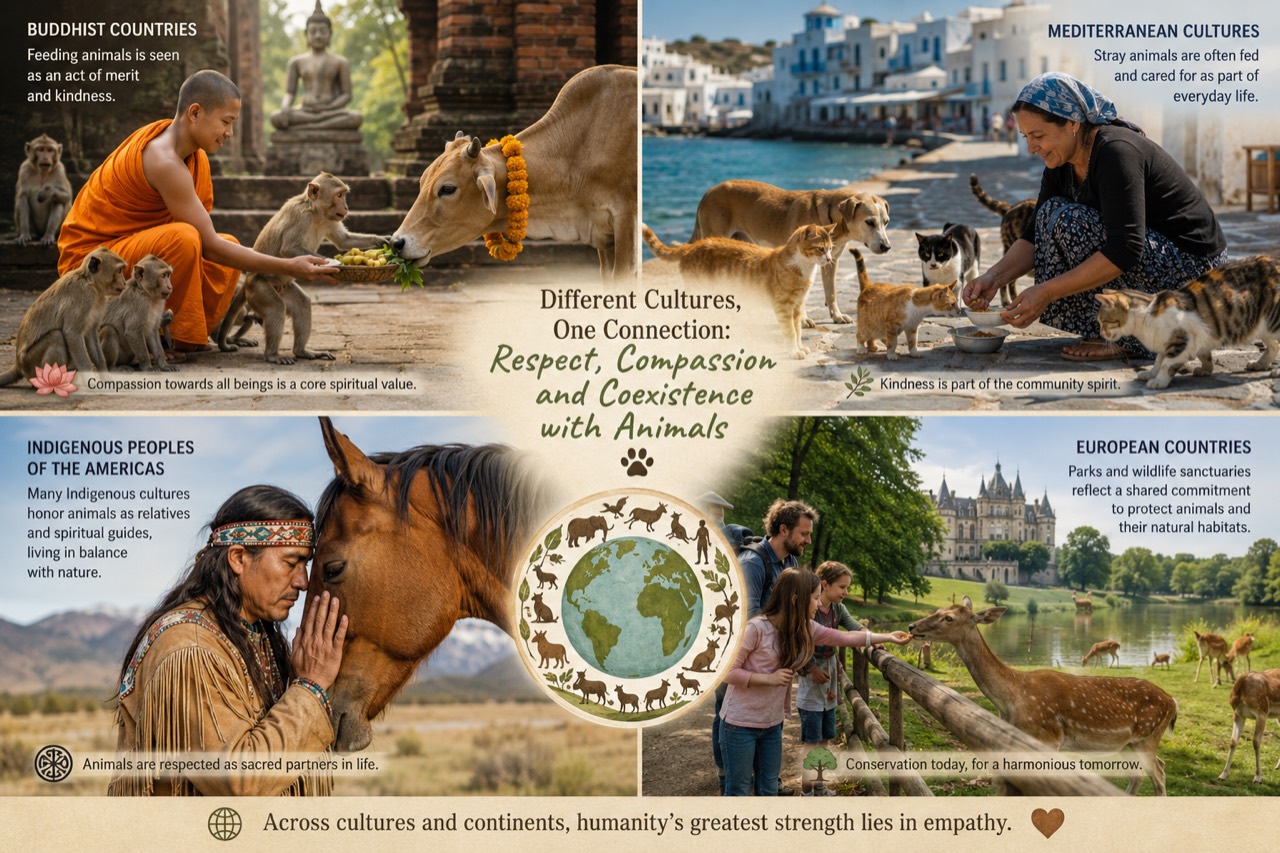
Beyond the self, happiness is deeply tied to purpose and connection. Human beings are fundamentally relational and empathetic creatures, so individual quality of life cannot be fully separated from the well-being of the surrounding community and the broader ecosystems in which life unfolds.
This is why compassion is not just a moral ornament added on top of a private life. Caring about sentient beings, participating in acts of kindness, and contributing to something larger than oneself can turn abstract existence into a life that feels significant. Meaning often arrives less from consumption than from participation.
| Short-lived satisfaction | Deeper happiness |
|---|---|
| Momentary pleasure | Flourishing across mind, body, and relationships |
| Escaping discomfort | Building resilience and inner alignment |
| Private gain alone | Contribution, care, and shared well-being |
When daily actions, values, and environment are in direct alignment with inner nature, happiness becomes less something to chase and more a natural byproduct of living authentically. It remains dynamic, never frozen, but it gains a durable shape: well-being in the body, clarity in the mind, warmth in the social world, and purpose in how one contributes.